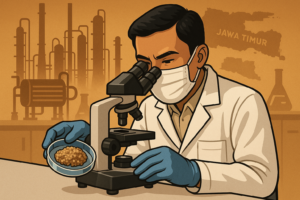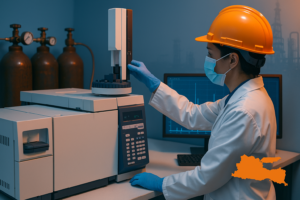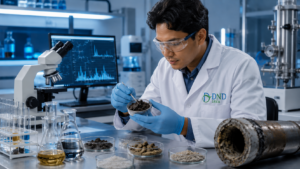


When people hear “sediment,” most think of sand or mud at the bottom of rivers or lakes. But in a lab setting, sediment is so much more than dirt—it’s a tiny archive of environmental data that holds clues about water quality, pollution, and even historical changes in climate.
In this article, you will be invited to explore the sediment analysis process in the laboratory. Suitable for students, researchers, or industry players who want to understand this process and of course, for those who need professional help such as Sediment Content Analysis Services from PT DND Java Indonesia.
1. Sediment Sampling Techniques
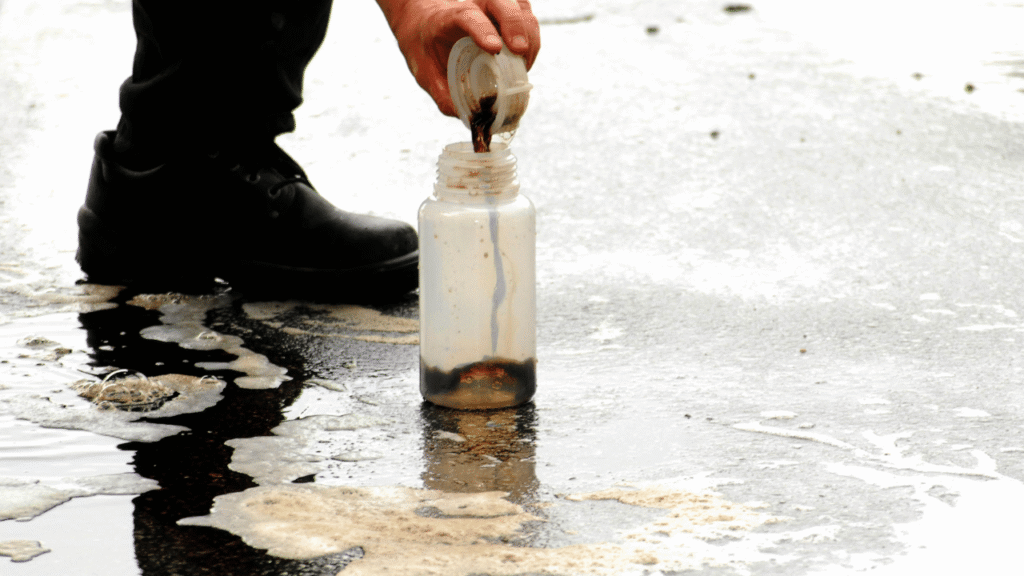
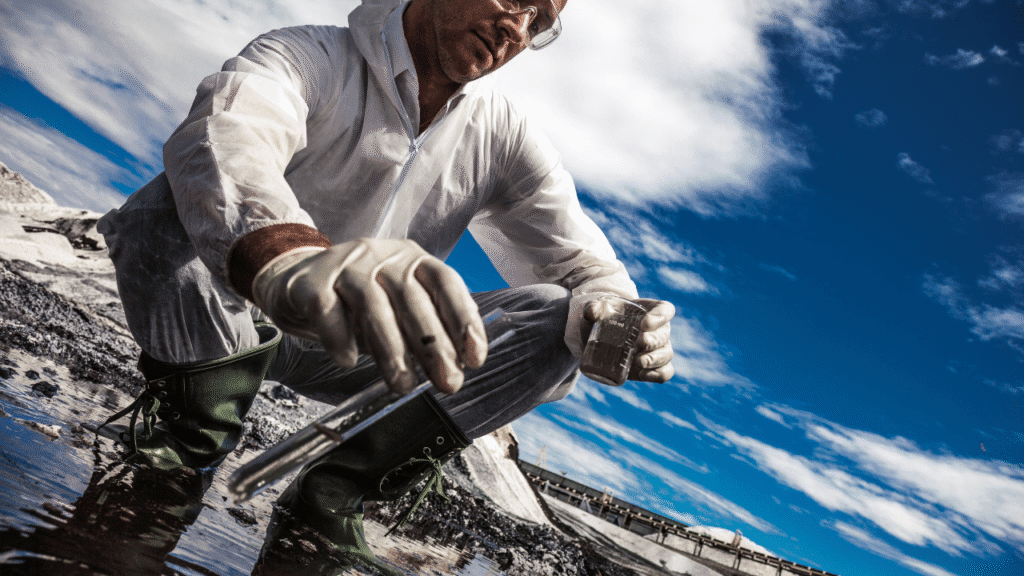
The first step in analyzing sediment is taking samples from the field. Some common methods include:
- Grab sampling: Using a grab sampler to scoop sediment from the bottom.
- Manual extraction: For shallow waters—think buckets, scoops, and gloves.
- Manual extraction: For shallow waters—think buckets, scoops, and gloves.
Labeling and proper sterilization of tools are crucial to ensure reliable results later in the lab.
2. Lab Preparation: Not Just Scoop and Test

Once sediment arrives in the lab, it goes through a few prepping steps before testing:
- Drying: Using either a low-temp oven or air drying.
- Sieving: Separating grains by size using mesh screens.
- Homogenizing: Mixing the sediment uniformly to make sure samples are representative.
It’s all about getting accurate, consistent results later during analysis.
3. Physical and Chemical Analysis
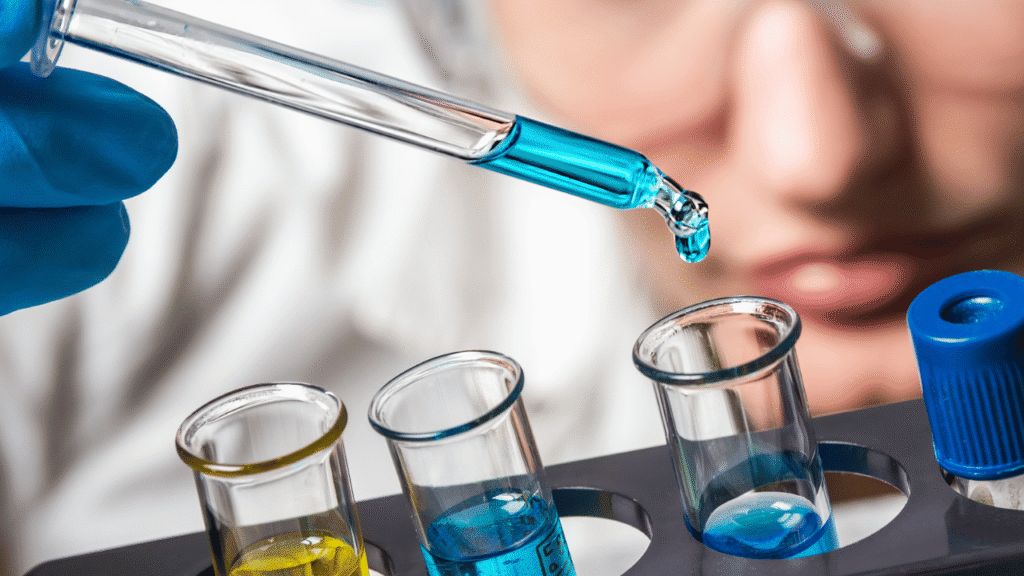
Here’s where things get interesting. With the right tools, scientists can “decode” what sediment contains—and what it means.
a. Grain Size Distribution
Using dry sieving for coarse grains or pipette/hydrometer methods for fine material, this test tells you if your sample is mostly sand, clay, or silt.
b. Moisture & Organic Matter
Weigh the sample before and after drying to get moisture content. Then burn it to measure organic matter—a key indicator in pollution and ecological studies.
c. pH & Conductivity
Using a pH meter and conductometer, labs determine how acidic and salty the sediment is. Great for water quality and ecosystem health assessments.
d. Heavy Metal Concentration
Yes, sediment can trap harmful metals like mercury (Hg), lead (Pb), and cadmium (Cd). Analysis is done using:
- Atomic Absorption Spectrometry (AAS)
- Inductively Coupled Plasma – Mass Spectrometry (ICP-MS)
For accurate heavy metal analysis, you can use the Sediment Content Analysis Services from PT DND Java Indonesia. They have modern tools and a team of experts ready to provide reliable results.
4. Biological Analysis (Optional)
In some environmental studies, sediment is checked for biological components—microorganisms, benthic fauna, or traces of organic remains. These are studied under microscopes using stains and identification keys.
5. Data Interpretation
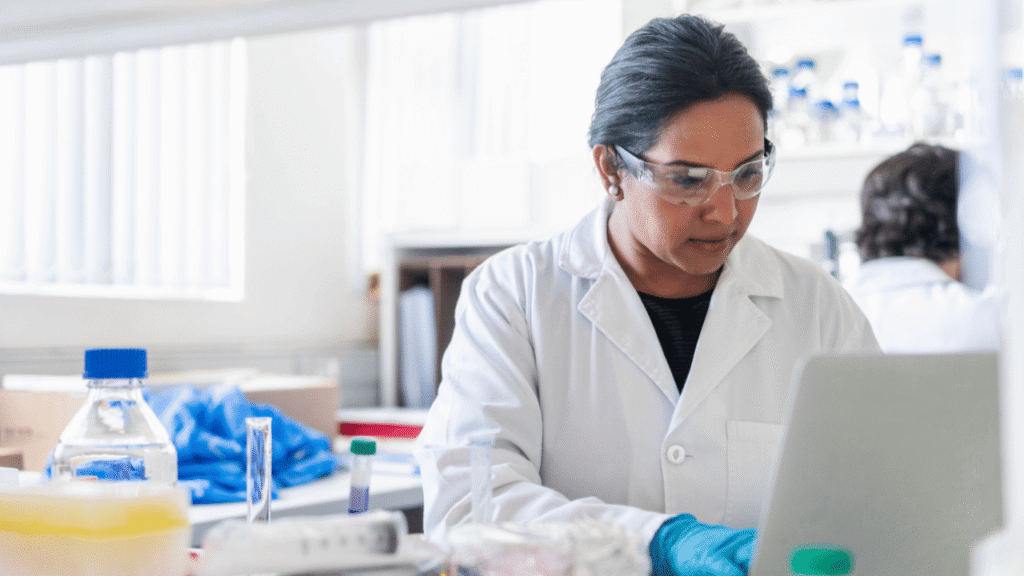
All those numbers and graphs? They’re only useful once interpreted:
- Grain size distribution charts
- Pollution indices
- Comparisons with regulatory standards (EPA, Indonesian Ministry of Environment, etc.)
If you prefer a practical end result, PT DND Java Indonesia provides a complete, ready-to-use interpretation report.
6. Documentation and Reporting
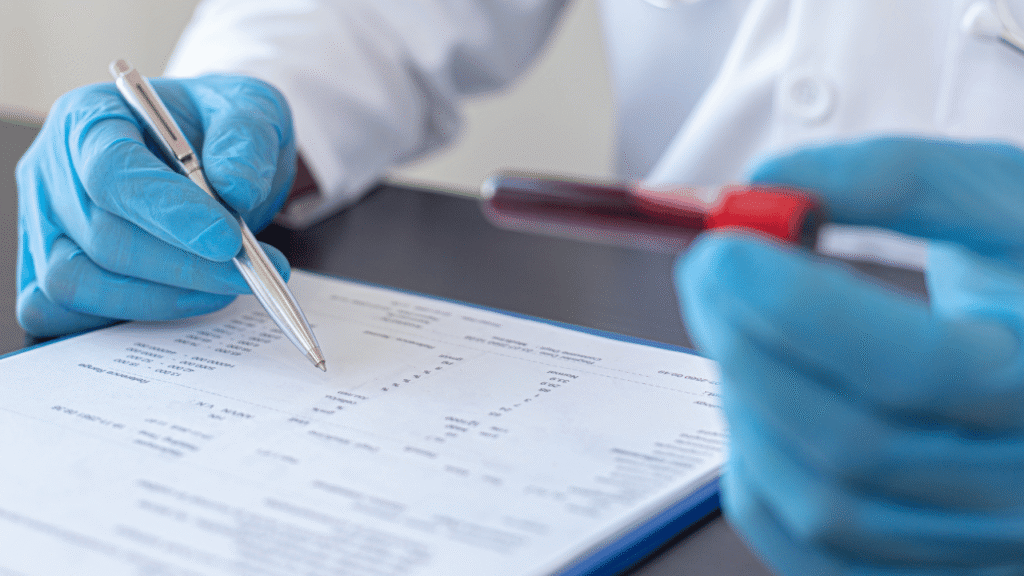
An official report usually includes:
- Sampling methodology
- Physical and chemical results
- Graphs, charts, and interpretations
- Environmental recommendations
Whether you're submitting a thesis or preparing an industry report, proper documentation matters.
7. Why Sediment Analysis Matters

Sediment isn’t just “muck”—it’s a critical record keeper of environmental health. Through its analysis, we can:
- Detect pollution sources and patterns
- Understand ecological conditions
- Track historical changes in water flow and land use
This data is used in fields like hydrology, waste management, environmental restoration, and public policy.
8. Advanced Analytical Techniques

For high-level research, labs may use:
- X-Ray Diffraction (XRD): Identifies mineral structures
- Scanning Electron Microscopy (SEM): Examines surface textures at the micro level
- Fourier Transform Infrared Spectroscopy (FTIR): Detects organic compounds via infrared light
These are often applied in academic research and industrial pollution assessments.
Tips for Students and Beginner Researchers

Starting out? Keep these in mind:
- Document everything—photos, labels, notes
- Practice with basic equipment first
- Always cross-check findings with scientific standards
- Don’t hesitate to reach out to professionals (like PT DND Java Indonesia!)
Conclusion
Analyzing sediment is a powerful tool. It can reveal hidden stories beneath water bodies, identify pollution threats, and support better decision-making for environmental care.
And if you need technical assistance or do not have your own laboratory facilities, do not hesitate to use Sediment Content Analysis Services from PT DND Java Indonesia. With complete tools, experts, and reports that you can see directly, your project can be completed faster and the results are more reliable.
Ready to step up? Sediment may be small, but its impact can be big.