


Fuel Analysis merupakan kebutuhan penting bagi industri minyak dan gas di Indonesia. Artikel ini membahas pengertian, metode pengujian, standar rujukan, serta manfaatnya bagi keandalan operasi. PT DnD Java Indonesia sebagai laboratorium migas di Bojonegoro menjalankan pengujian tersebut mengikuti standar internasional dengan pelaporan yang tepat waktu.
In the fuel industry, efficiency and product quality are two key factors that determine the success of the business. One way to ensure both of these are achieved is through Fuel Analysis. This process not only helps in optimizing the quality of the fuel but also ensures that the production process is running efficiently and environmentally friendly. This article will discuss in depth why Fuel Analysis is so important, how the process is carried out, and its benefits to the fuel industry.
Why is Fuel Analysis Important?
1. Improve Fuel Quality
Fuel Analysis allows fuel manufacturers to understand the chemical gas composition of their products. By knowing the levels of sulfur, octane, or other content, manufacturers can adjust the production process to produce fuel that meets international quality standards. This is important to ensure that the fuel produced is safe to use and environmentally friendly. For example, fuel with high sulfur content can cause exhaust emissions that are harmful to the environment and human health. By conducting Fuel Analysis, manufacturers can identify and reduce these sulfur levels, so that the fuel produced is more environmentally friendly.
2. Reduce Production Costs
By analyzing fuel regularly, manufacturers can identify inefficiencies in the production process. For example, if unnecessary content is found, manufacturers can optimize raw materials and reduce waste. This has a direct impact on reducing production costs. In addition, Fuel Analysis can also help manufacturers identify problems in the production process that can cause financial losses. For example, if it is found that the fuel produced is of inconsistent quality, manufacturers can immediately take corrective action before the problem causes greater losses.
3. Comply with Environmental Regulations
The fuel industry is faced with various stringent environmental regulations, especially regarding exhaust emissions. Fuel Analysis helps manufacturers ensure that the fuel they produce meets the emission standards set by the government or international organizations. This not only saves companies from fines but also improves business reputation. For example, in many countries, fuel must meet the Euro 6 standard or equivalent, which sets maximum limits for exhaust emissions such as nitrogen oxides (NOx) and particulates. By conducting Fuel Analysis, manufacturers can ensure that their fuel meets these standards, so that it can be sold in the international market.
4. Increase Customer Satisfaction
High-quality fuel will provide better performance for end users, such as vehicles or industrial machines. By conducting Fuel Analysis, manufacturers can ensure that their products provide added value to customers, thereby increasing loyalty and satisfaction. For example, fuel with a high octane rating will provide better performance in vehicle engines, so users will be more satisfied with the product. In addition, clean and contaminant-free fuel will also reduce the risk of damage to the engine, thereby reducing maintenance costs for users.
How is Fuel Analysis Performed?
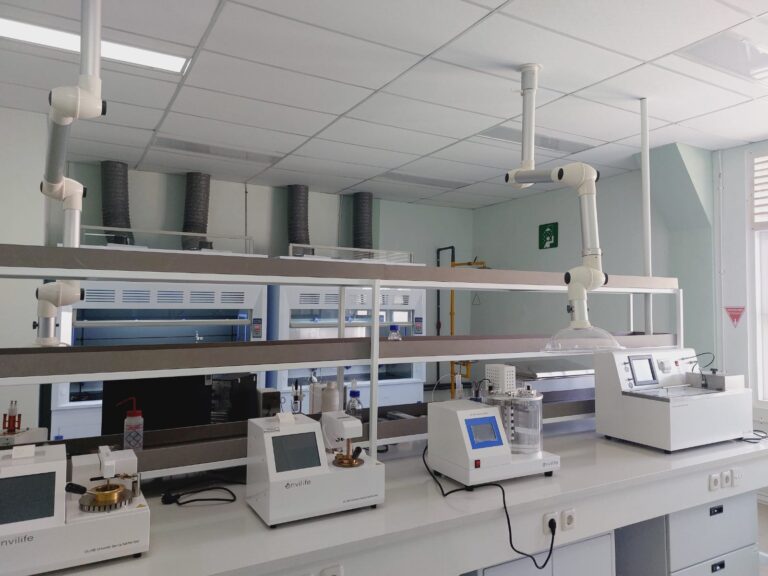
Fuel Analysis involves a series of laboratory tests that include chemical, physical, and thermal analysis. Some of the parameters that are usually measured include:
- Sulfur content: Sulfur is one of the most dangerous components in fuel, as it can cause toxic exhaust emissions. Fuel Analysis can measure the sulfur content in fuel and ensure that it meets the standards.
- Octane or cetane rating: Octane rating indicates the ability of a fuel to resist knocking in a gasoline engine, while cetane rating indicates the ability of a diesel fuel to ignite quickly. Fuel Analysis can measure the octane or cetane rating and ensure that the fuel is delivering optimal performance.
- Viscosity: Viscosity is a measure of the thickness of a fuel. Fuel with a viscosity that is too high or too low can cause engine problems. Fuel Analysis can measure the viscosity and ensure that the fuel is the proper viscosity.
- Flash point: Flash point is the lowest temperature at which a fuel can ignite. Fuel Analysis can measure the flash point and ensure that the fuel is safe to use.
- Water and sediment content: Water and sediment are contaminants that can cause damage to the engine. Fuel Analysis can measure the water and sediment content in the fuel and ensure that the fuel is clean and free from contaminants.
By using advanced technology and accurate analysis methods, fuel producers can obtain comprehensive data about their products. This data can then be used to optimize production processes and improve fuel quality.
Long Term Benefits of Fuel Analysis
1. Increase Business Competitiveness
In a competitive industry like the fuel industry, product quality is one of the main factors that determine the competitiveness of a business. By conducting Fuel Analysis regularly, manufacturers can ensure that their products always meet the highest quality standards, so they can compete in the global market.
2. Reduce the Risk of Financial Loss
Fuel that does not meet quality standards can cause significant financial losses, either due to product recalls or due to lawsuits from customers. By conducting Fuel Analysis, manufacturers can identify quality issues before the product reaches the customer, thereby reducing the risk of financial losses.
3. Improve Company Reputation
Companies that produce high-quality fuel will have a good reputation in the eyes of customers and regulators. By conducting Fuel Analysis regularly, manufacturers can ensure that their products always meet quality and regulatory standards, thereby improving the company's reputation.
4. Supporting Environmental Sustainability
Green fuels are one of the main trends in the energy industry today. By conducting Fuel Analysis, manufacturers can ensure that the fuels they produce have minimal environmental impact, thus supporting environmental sustainability.
Conclusion
In the fuel industry, Fuel Analysis is not only a necessity, but also a long-term investment. This process helps improve product quality, reduce production costs, meet regulations, and increase customer satisfaction. Thus, Fuel Analysis becomes a very important tool to maintain business competitiveness in the midst of increasingly fierce global competition.
Fuel Analysis Services Promotion
Do you want to improve the efficiency and quality of your fuel production? Trust your fuel analysis needs to our team of experts at PT DND Java Indonesia. We provide accurate and reliable Fuel Analysis services using the latest technology. Get the most out of your fuel production with us!
Layanan Terkait dan Referensi Standar
Membutuhkan pendampingan teknis untuk pengujian Fuel Analysis? PT DnD Java Indonesia menyediakan layanan Fuel Analysis dan Sampling and Onsite Analysis, dilengkapi pengambilan sampel di lokasi serta konsultasi kebutuhan pengujian bersama tim laboratorium kami.
Mengapa pengujian Fuel Analysis perlu dilakukan di laboratorium terakreditasi?
Hasil uji dipakai sebagai dasar keputusan operasional dan komersial, sehingga metode uji, kalibrasi alat, dan kompetensi analis harus tertelusur. Laboratorium kami menjalankan prosedur tersebut mengacu pada metode standar yang berlaku di industri minyak dan gas.
Rujukan standar dapat dibaca pada Kementerian ESDM dan ASTM International. Untuk diskusi teknis mengenai kebutuhan uji Anda, tim kami siap membantu.